Complete Guide to Buying & Importing from Germany & Europe
Sea freight, overland transit via Turkey, air freight, euro payments, European supplier verification, and tariff code classification — all on one reference page
Germany and other European countries are especially important for sourcing industrial equipment, machinery, and specialized high-standard technology. Buying from this market typically involves identifying the manufacturer, obtaining a technical proposal, comparing models, reviewing the datasheet, checking warranty terms, and commercial negotiation. As with any import, success on this route depends on proper planning across several areas: choosing a shipping route, verifying the supplier, correctly classifying the tariff code, managing currency payment, and finally clearing the goods through Iranian customs.
This page acts as a guide hub, connecting each part of that path to the relevant in-depth guide on the MYTARKHISKAR site.
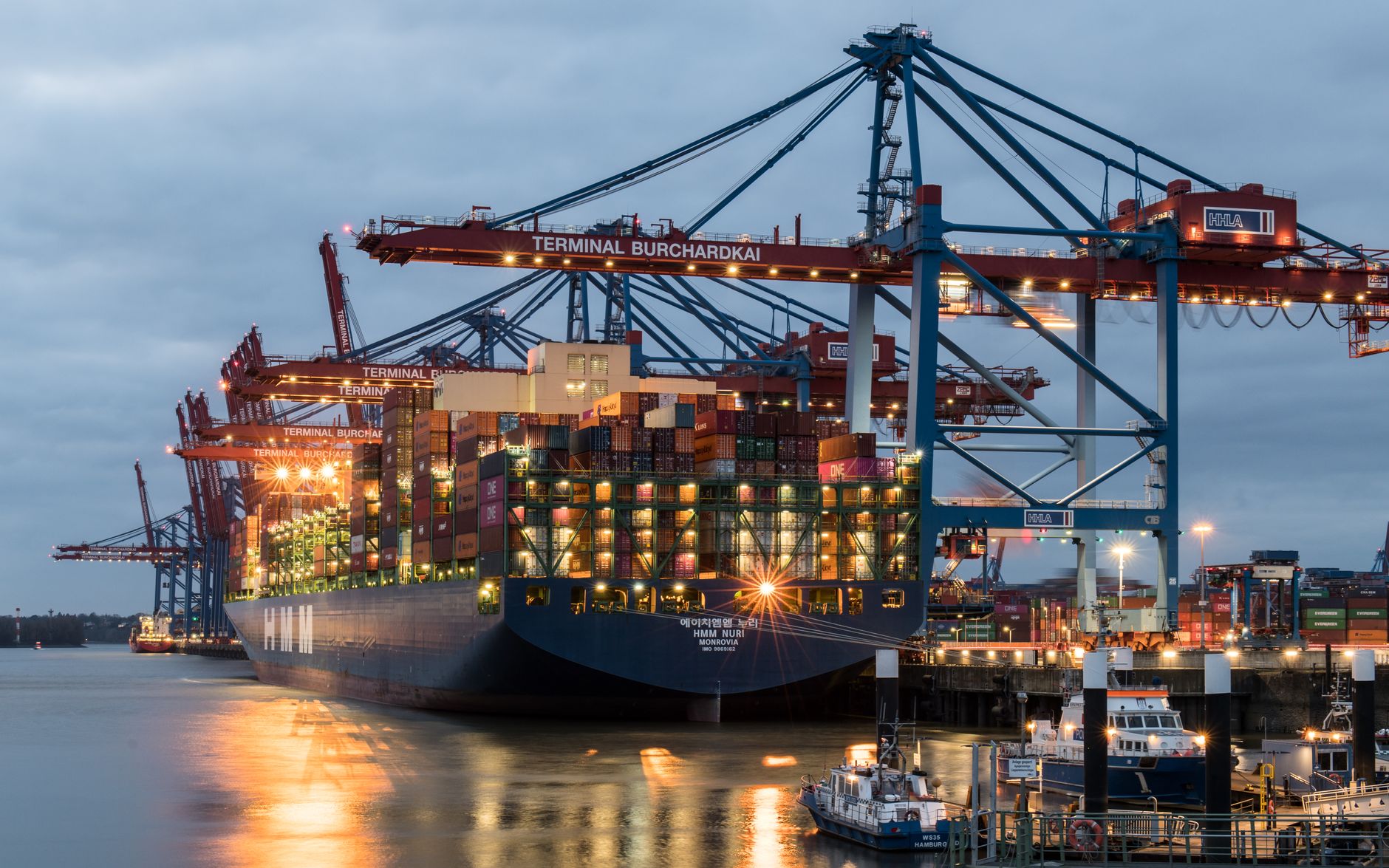
Shipping Route from Europe to Iran
Europe's greater distance compared to Turkey, China, or the UAE puts several shipping options on the table:
For urgent, low-volume, or high-value equipment, air freight is also a common option.
For the combined overland route, see Transit via Mersin Port.
Entry Points for Goods Imported from Europe
Depending on the route chosen, goods imported from Europe can enter Iran through the southern ports or the western land borders, or through Iran's free trade zones.
Currency Payment for Purchases from Europe
Payment to a European supplier is usually made in euros:
- Euro currency transfer: through a network of licensed exchange houses in Europe
- Fully managed purchase and payment: through MYTARKHISKAR's sourcing service, for cases where integrated purchase and payment management is preferred
Full details on payment methods and supported currencies (including euro) are covered in Currency Transfer.
Verifying European Suppliers Before Payment
Before paying any European company, verifying the counterparty should be a priority — the company's registered legal name and registration number can be checked against national company-registry systems (such as the Handelsregister in Germany). Obtaining a technical datasheet, reviewing warranty terms, and getting a formal technical proposal are other important steps at this stage for industrial goods and equipment.
For the general framework on checking a supplier's credibility, see Pre-Shipment Inspection.
Europe's Tariff Code (TARIC) vs. Iran's Tariff Code
European suppliers usually state the EU's integrated tariff code (TARIC) on the proforma invoice or commercial invoice. The first six digits of this code match the international HS standard, but Iran has its own separate 8-digit tariff code, and the final classification must be verified against that structure — not simply taken from the code stated by the European seller.
Landed Cost of Goods Imported from Europe
As with any import, the final cost of goods from Europe is not just the purchase price — it also includes freight (sea, overland transit, or air), insurance, customs value, import duties, clearance fees, and inland transport to the final destination.
For a more precise estimate, use the Customs Calculator.
Customs Clearance for Goods Imported from Europe
Once the shipment reaches the destination port or border, it goes through the same declaration, valuation, duty-payment, and release process as any other import.
The full clearance process is explained in Customs Clearance.
In Summary
Buying from Germany and Europe is a valuable option for high-standard industrial equipment and machinery, but success depends on proper planning across several areas: choosing the right shipping route (sea, combined overland via Turkey, or air), verifying the supplier before payment, correctly classifying Iran's tariff code (not just the seller's TARIC code), managing euro payments, and finally clearing the goods properly through customs.
If you're planning to buy from Germany or another European country, MYTARKHISKAR's experts can support you from supplier verification through final release from customs.
Frequently Asked Questions
Planning to Buy or Import from Europe?
Send us your product details, preferred route, and European supplier information, and MYTARKHISKAR's experts will prepare the optimal import route, cost estimate, and clearance steps for you